
Explore the History of Smoking Through Time
Follow the development of smoking culture across centuries through artifacts, technologies, artistic traditions, trade, ritual, and everyday life. This timeline brings together key periods and objects from the History of Smoke collection to show how smoking practices evolved across regions and generations.
Follow the Smoke Through Time
Travel through the collection by era and uncover the objects carried through each chapter of smoking history.
1600–1750
1 historical object in the archive
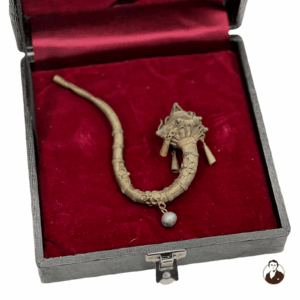
1750–1790
1 historical object in the archive
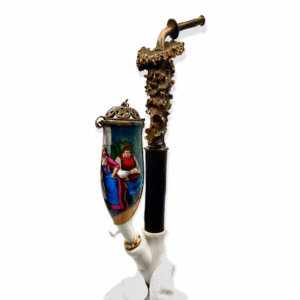
1750–1850
1 historical object in the archive
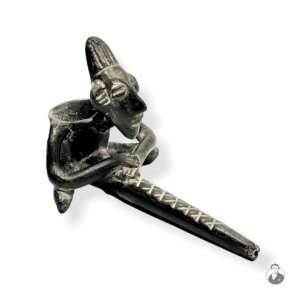
1800–1900
5 historical objects in the archive
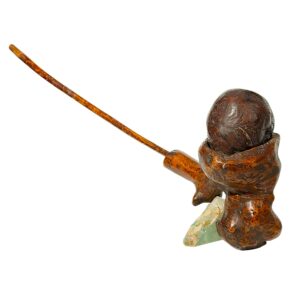
1820–1870
1 historical object in the archive
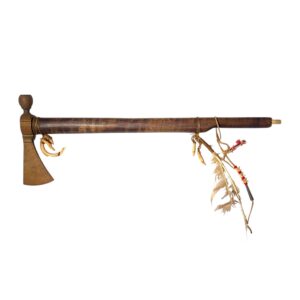
1830–1850
2 historical objects in the archive
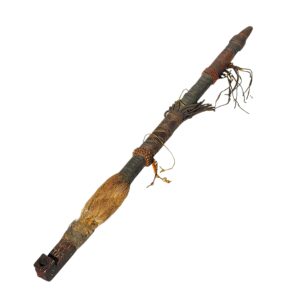
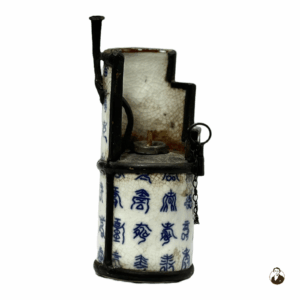
1850–1870
1 historical object in the archive
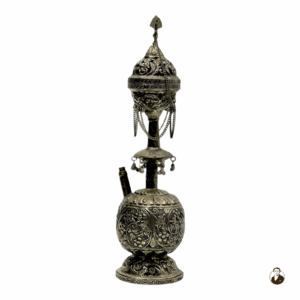
1850–1890
2 historical objects in the archive
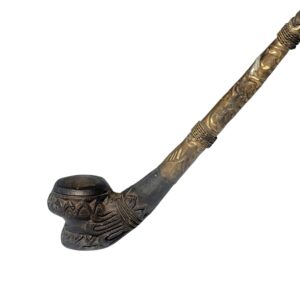
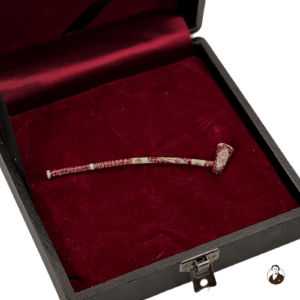
1870–1890
1 historical object in the archive
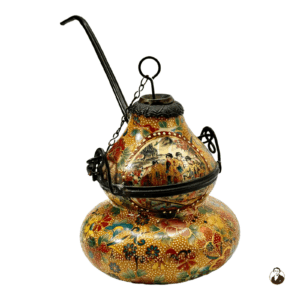
1880–1900
1 historical object in the archive
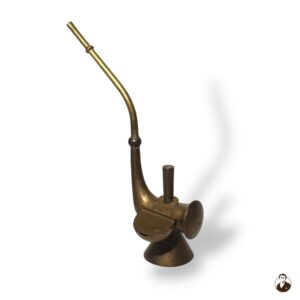
1880–1910
1 historical object in the archive
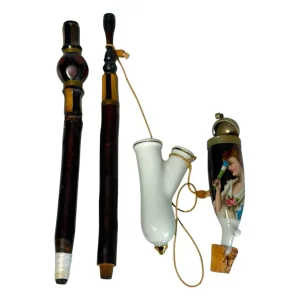
1880–1920
3 historical objects in the archive
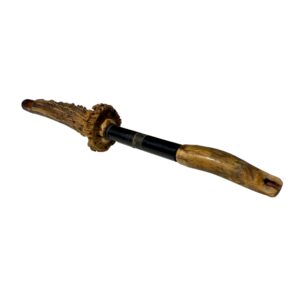
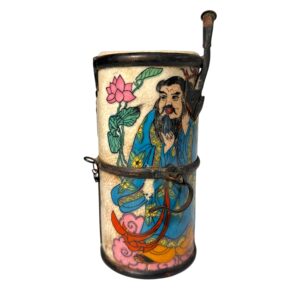
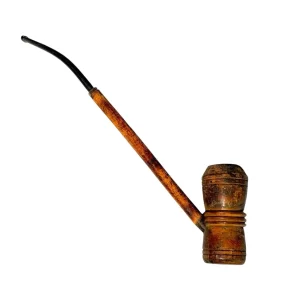
1900–1930
2 historical objects in the archive
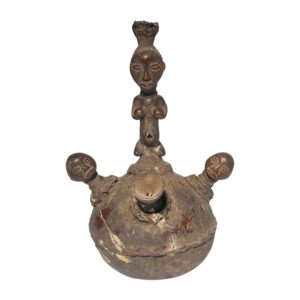
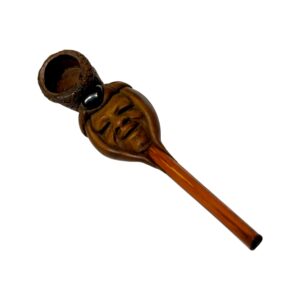
1920–1930
1 historical object in the archive
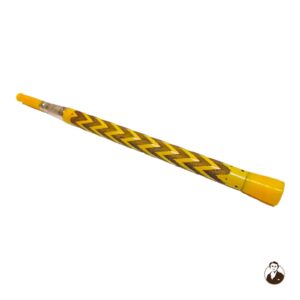
1930–1940
1 historical object in the archive

1940–1945
1 historical object in the archive
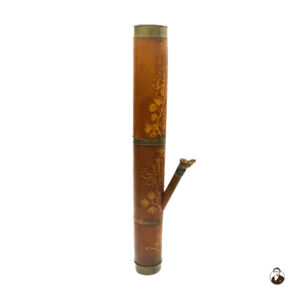
1940–1960
1 historical object in the archive
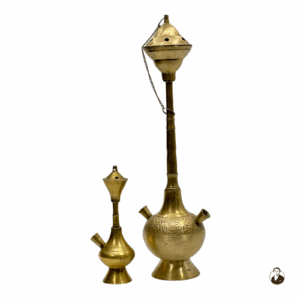
1950–1960
4 historical objects in the archive
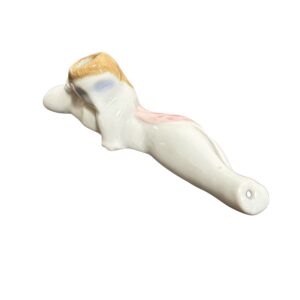
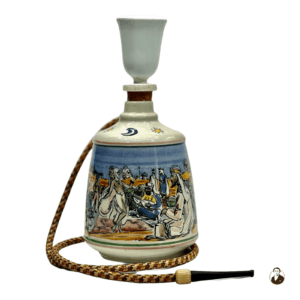
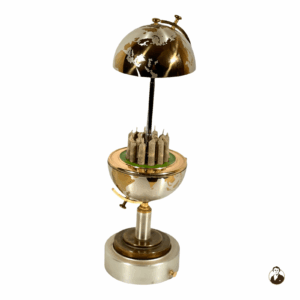
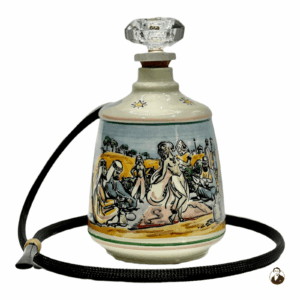
1950–1980
1 historical object in the archive
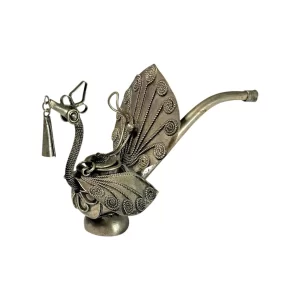
1970–1980
1 historical object in the archive
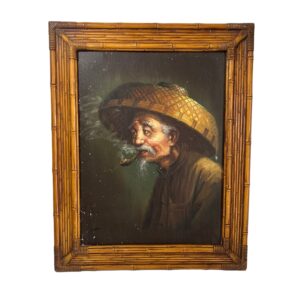
1980–2000
1 historical object in the archive
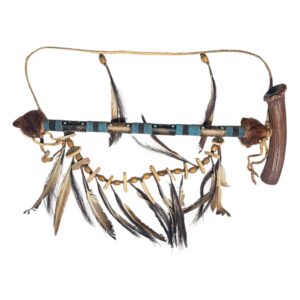
How Smoking Culture Changed Across Centuries
The history of smoking is shaped by far more than the objects themselves. It is also a history of movement, exchange, invention, ritual, status, trade, and changing social customs. Pipes and smoking devices developed differently across regions, but over time they became connected through expanding trade networks and cultural contact.
The History of Smoke Timeline organizes these developments chronologically, allowing visitors to see how smoking artifacts and traditions changed from one period to the next. Rather than viewing historic pipes, hookahs, tobacco objects, and smoking accessories as isolated pieces, the timeline places them within a broader historical sequence.
Follow change over time.
Trace how smoking forms, materials, and technologies evolved across
different centuries and historical periods.
Connect objects to history.
View museum artifacts in relation to changing trade routes, social customs,
artistic traditions, and regional practices.
See continuity and change.
Compare long-lasting smoking traditions with new forms that emerged through
cultural exchange, craftsmanship, and technological development.
Smoking Objects as Historical Evidence
Historic smoking objects can preserve evidence of the societies that produced them. Their materials may reveal access to local resources or imported goods. Their ornament can reflect artistic taste and social status. Their construction can show how people prepared, filtered, cooled, shared, displayed, or carried smoking devices.
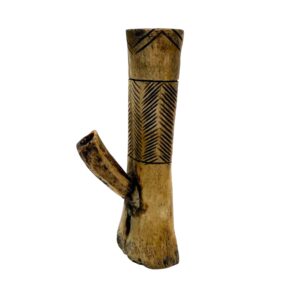
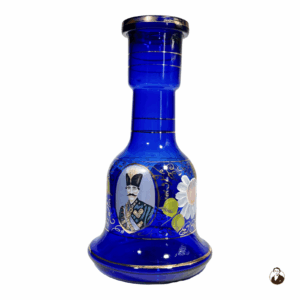
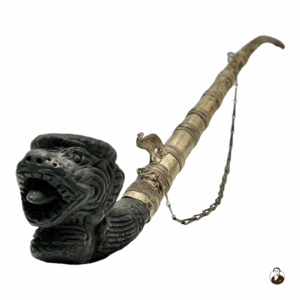
Clay pipes, carved hardwood forms, porcelain bowls, metal water pipes, elaborate hookahs, long-stem pipes, and other smoking artifacts each belong to different technological and cultural traditions. Studied chronologically, they show how the material culture of smoking changed alongside broader historical developments.
A Timeline of Global Smoking History
Smoking history is not confined to one country or one tradition. Across Africa, Asia, Europe, the Middle East, and the Americas, communities created distinct forms of smoking equipment and incorporated them into daily life, ceremony, trade, leisure, and social identity.
As trade expanded and materials moved between regions, smoking technologies and fashions also traveled. New forms emerged, older traditions adapted, and objects increasingly reflected both local craftsmanship and wider cultural exchange.
A Growing Digital Museum Timeline
This timeline is designed as an expanding research and educational feature of the History of Smoke museum. As new artifacts are documented and additional historical research is completed, new dates, periods, and objects can be added to create a more detailed visual history of smoking culture.
Visitors researching smoking history, antique tobacco pipes, historic hookahs, smoking artifacts, water pipes, tobacco culture, and the history of pipes can use the timeline as a chronological gateway into the museum collection.
History of Smoke studies smoking-related artifacts as evidence of craftsmanship, design, trade, technology, ritual, and everyday life. The timeline will continue to grow alongside the museum collection, connecting individual objects with the larger history in which they were created and used.