
Explore the Collection by Geography
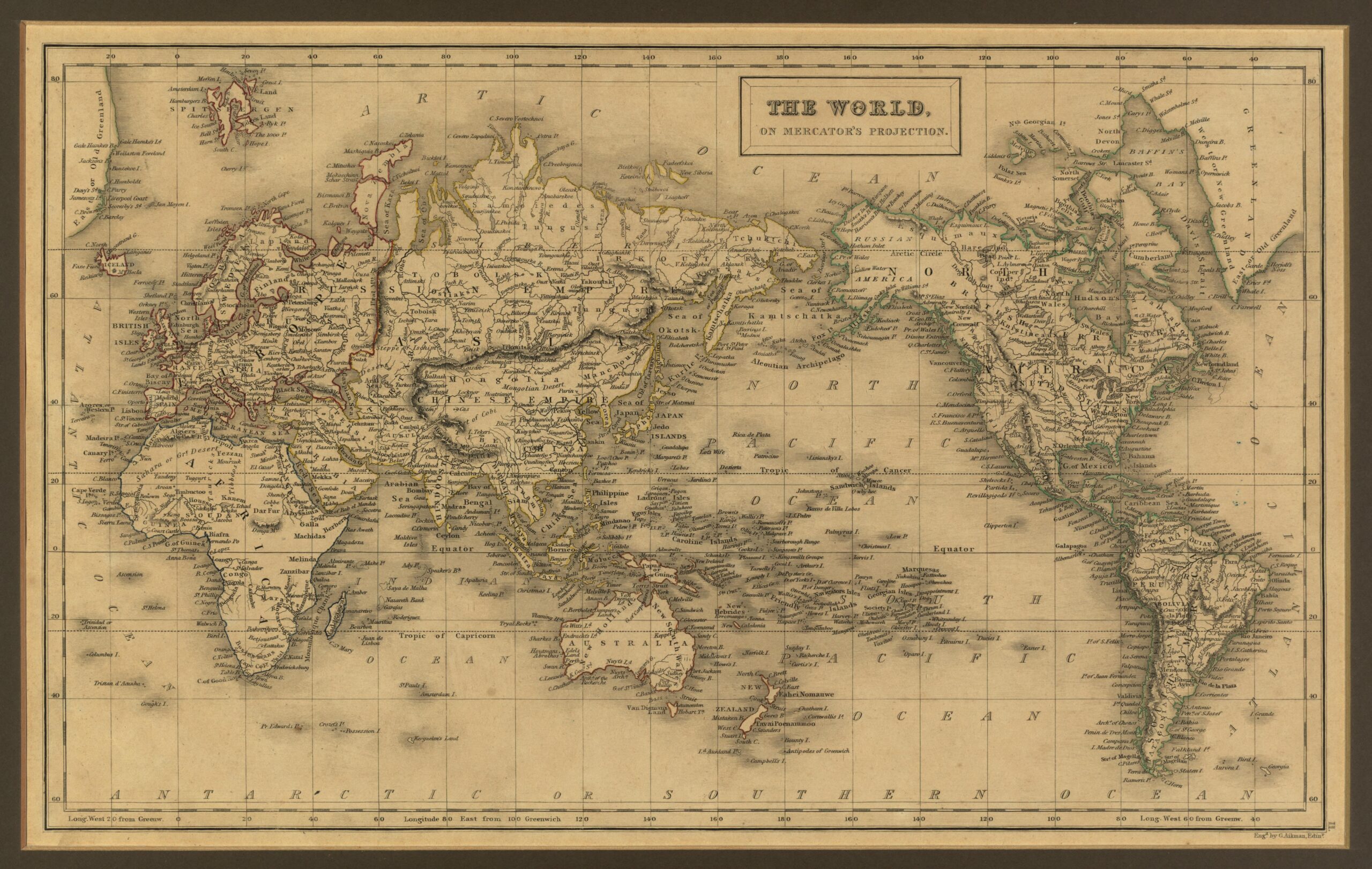
Smoking traditions developed in remarkably different ways across the world. This interactive museum map connects objects in the History of Smoke collection with the regions, cultures, and historical traditions from which they emerged. Explore antique pipes, hookahs, water pipes, and other smoking artifacts through the geography that helped shape their design and use.
The World in a Pipe
Objects travel. Traditions linger.
Follow the smoke across cultures,
continents and centuries.
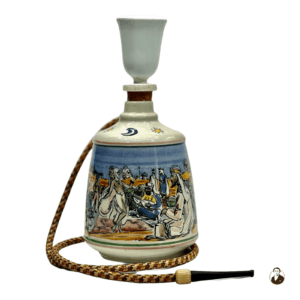
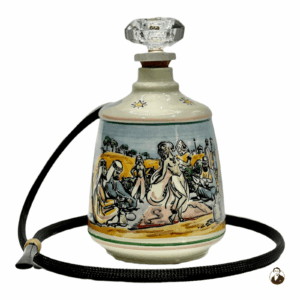
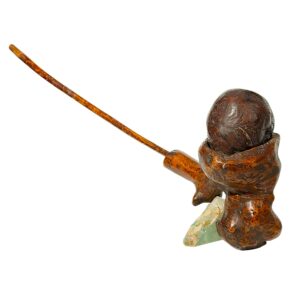
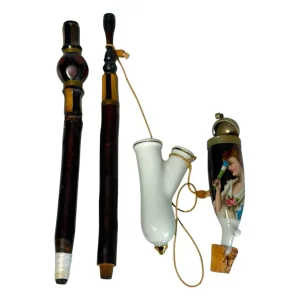
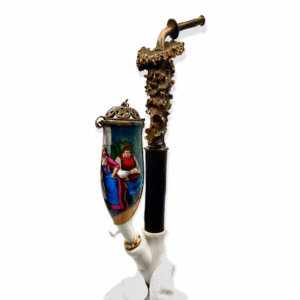
Germany
4 objects mapped
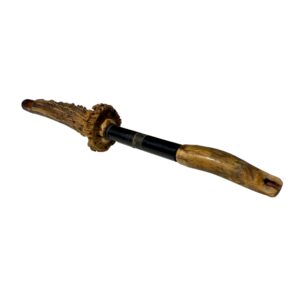
Israel
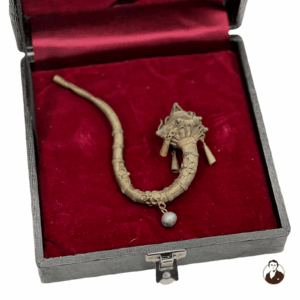
1 object mapped
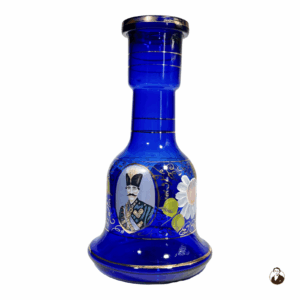
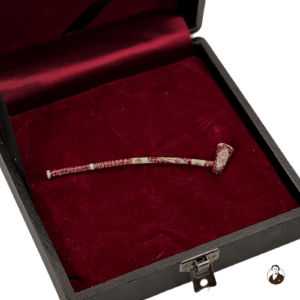
Tibet
1 object mapped
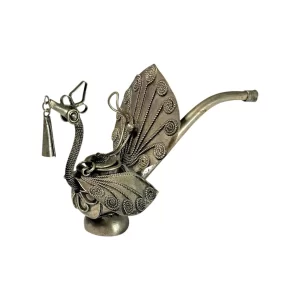
China
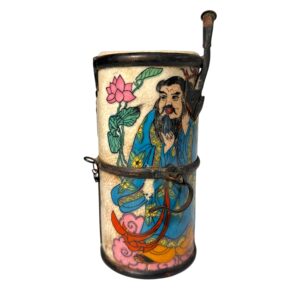
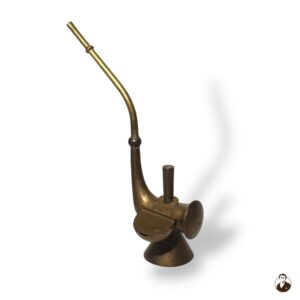
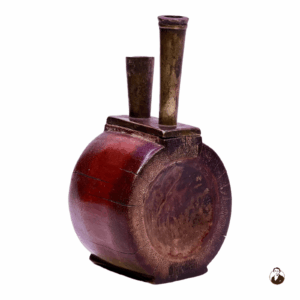
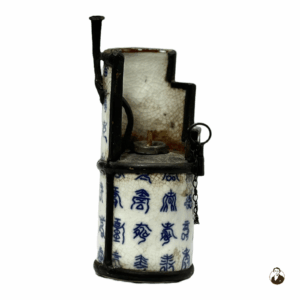
6 objects mapped
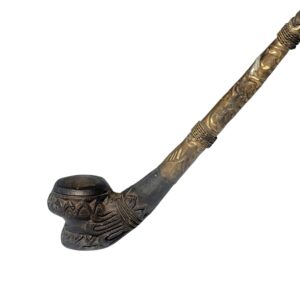
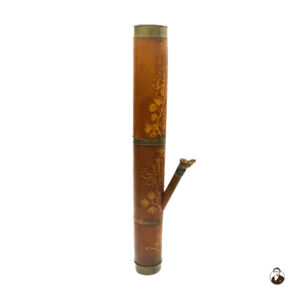
Thailand
1 object mapped
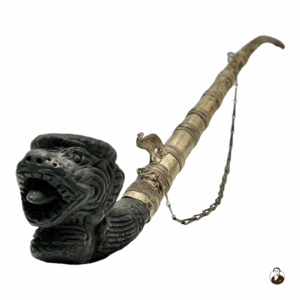
South Africa
1 object mapped
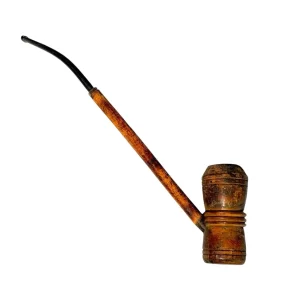
Hawaii
1 object mapped
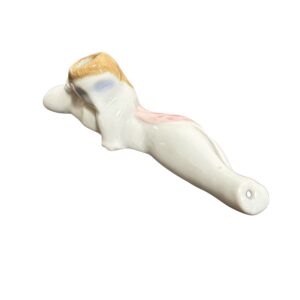
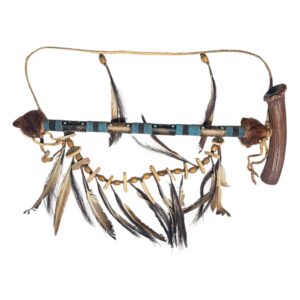
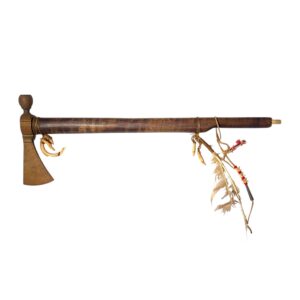
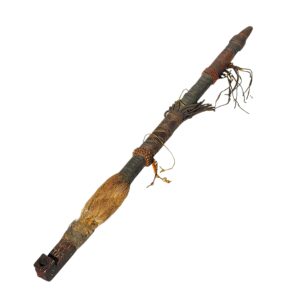
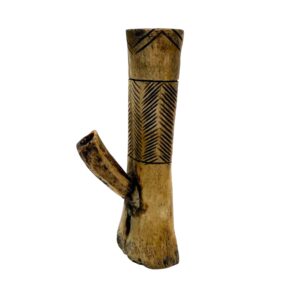
North America
4 objects mapped
South America
1 object mapped
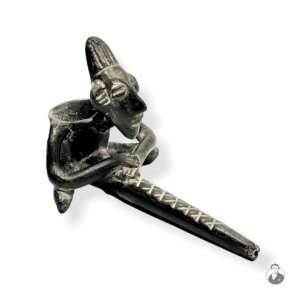
A World of Smoking Traditions
The history of the smoking pipe is not the story of a single object, country, or culture. Across centuries, people developed distinctive smoking instruments shaped by regional materials, artistic traditions, trade routes, ritual practices, social customs, and changing technologies.
A pipe from southern Africa may share little visually with a Persian smoking pipe, a Chinese water pipe, an Indian hookah, or a European porcelain tobacco pipe. Yet each reflects the same larger human story: the adaptation of material, craftsmanship, and culture around the act of smoking.
The History of Smoke Interactive Pipe Map places objects from the museum collection within this geographic context. Each marker connects visitors with an artifact associated with a particular region, country, or historical tradition, allowing the collection to be explored not only by age or object type, but by place.
Explore by region.
Discover historic smoking artifacts according to where they originated
and compare traditions across different parts of the world.
Study the objects.
Follow markers into individual museum entries documenting materials,
construction, approximate date, form, and cultural context.
Compare traditions.
Examine the extraordinary differences between pipes, hookahs, water pipes,
long-stem forms, ceremonial objects, and regional smoking implements.
Why Geography Matters
Historic smoking objects often reveal far more than their practical purpose. Their materials may reflect local resources and international trade. Their ornament can preserve regional artistic traditions. Their construction can reveal how an object was carried, displayed, shared, cooled, filtered, or prepared for use.
Metal, clay, porcelain, bamboo, hardwood, stone, horn, and other materials were transformed into smoking objects ranging from modest everyday tools to elaborate expressions of wealth, craftsmanship, ceremony, and social identity.
Water pipes and hookahs developed complex vessel forms across parts of Asia and the Middle East, while long-stemmed pipes became important within numerous African, European, and Asian traditions. These differences make geography an essential tool for understanding both the function and visual language of historic smoking artifacts.
A Growing Digital Museum
The interactive map is designed as a living part of the History of Smoke museum. As new artifacts enter the collection and existing objects receive additional research, new locations, histories, and museum entries can be added.
Over time, the map will form an increasingly detailed visual record of the geographic diversity of smoking culture. Visitors researching antique smoking pipes, historic hookahs, tobacco pipes, water pipes, smoking artifacts, and the cultural history of smoking can use the map as a gateway into individual objects and the traditions that produced them.
History of Smoke documents smoking-related objects as artifacts of history, craftsmanship, design, trade, ritual, and everyday life. The interactive map will continue to grow alongside the museum collection, connecting objects with the places and people that shaped their history.